NVIDIA GeForce RTX 5090 Modded to Feature 128 GB of GDDR7 Memory
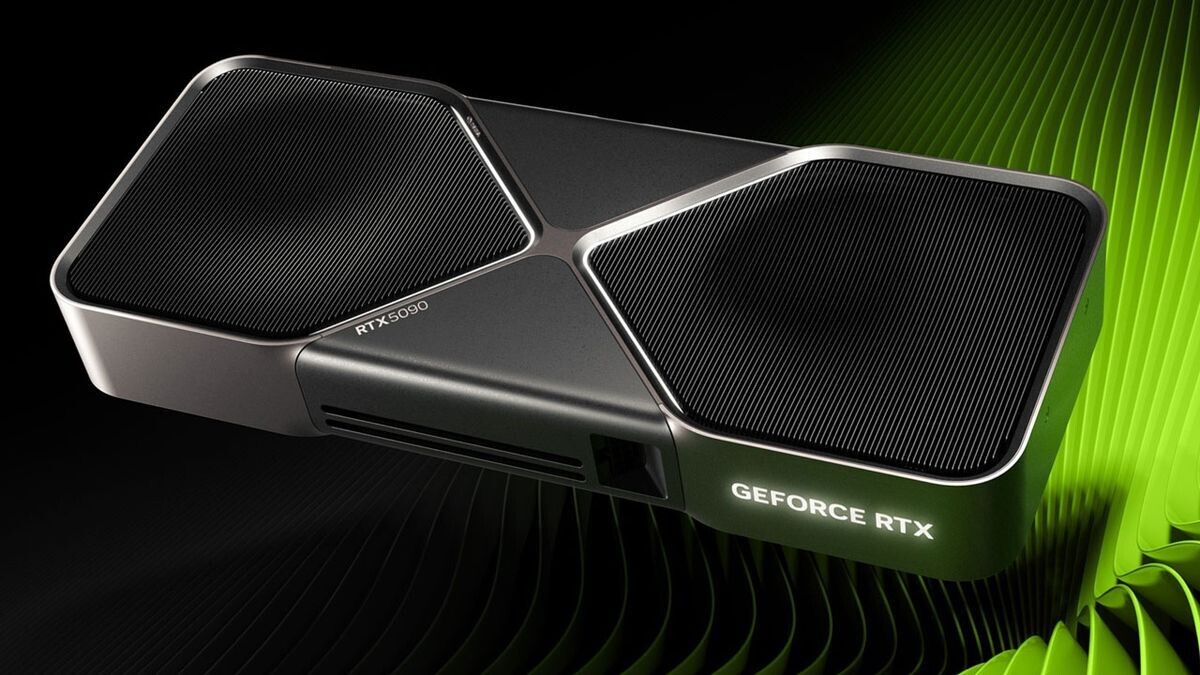
NVIDIA’s GeForce RTX 5090 graphics card, the flagship of the current-generation "Blackwell" lineup, typically ships with 32 GB of GDDR7 memory. However, hardware enthusiasts in China have once again pushed the boundaries of GPU memory capacity, this time achieving a remarkable 128 GB of GDDR7 on a single RTX 5090. This modification quadruples the standard memory allocation and sets a new benchmark for consumer GPU upgrades.
The mod, highlighted by the well-known leaker @I_Leak_VN, comes with a hefty price tag of $13,200—over six times the card’s original MSRP. This extreme upgrade follows previous experiments with the RTX 4090, which saw memory expanded to 96 GB of GDDR6X. The latest feat with the RTX 5090 demonstrates the ongoing innovation within the enthusiast and modding community, especially in regions with a strong DIY hardware culture.
Technical Challenges Behind the 128 GB Upgrade
Achieving 128 GB of GDDR7 memory on a consumer GPU presents significant technical challenges. Currently, the largest available GDDR7 memory modules are 24 Gbit (3 GB per module), with more common modules at 16 Gbit (2 GB per module). Even with a dual-sided PCB design, the maximum practical configuration would typically be 96 GB, as seen in NVIDIA’s professional-grade RTX PRO 6000 Blackwell GPU.
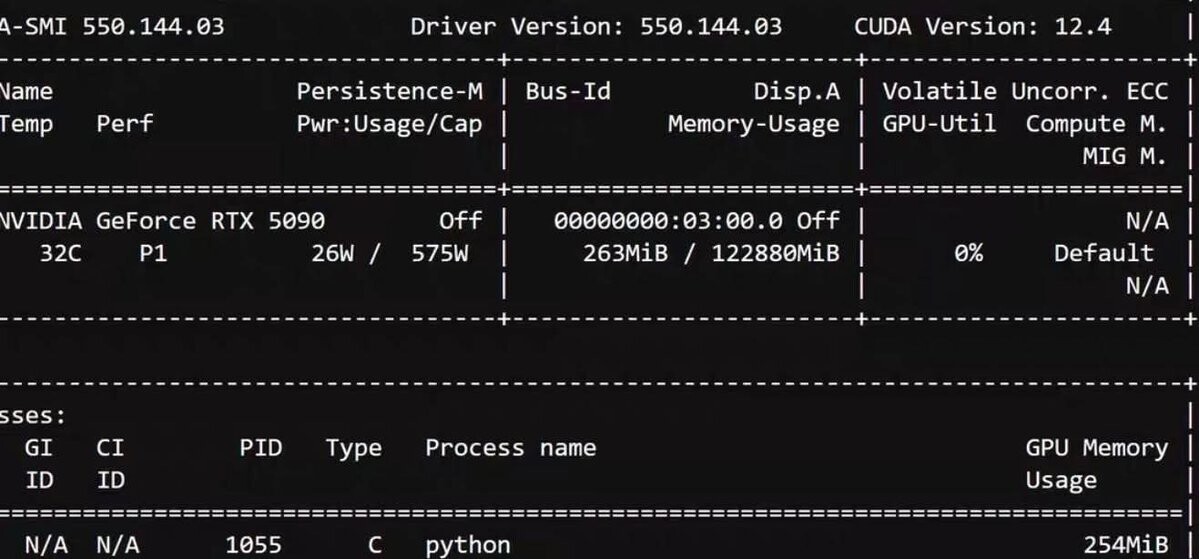
Since 4 GB GDDR7 modules are not yet available, the modders likely employed advanced PCB modifications to accommodate the additional memory chips. This could involve the use of custom PCB risers or other innovative hardware solutions to physically fit and electrically connect the extra modules. The NVIDIA-SMI output from the modified card confirms the full 128 GB capacity, providing clear evidence of the successful upgrade.
Implications for High-End Computing
While such modifications are not practical for most users due to their complexity and cost, they highlight the potential for future advancements in GPU memory technology. Expanding memory capacity to this extent can benefit specialized workloads in AI research, scientific computing, and large-scale data processing, where memory bottlenecks often limit performance.
This achievement underscores the expertise and ingenuity within the global modding community, as well as the ongoing demand for ever-greater GPU capabilities in both consumer and professional markets.