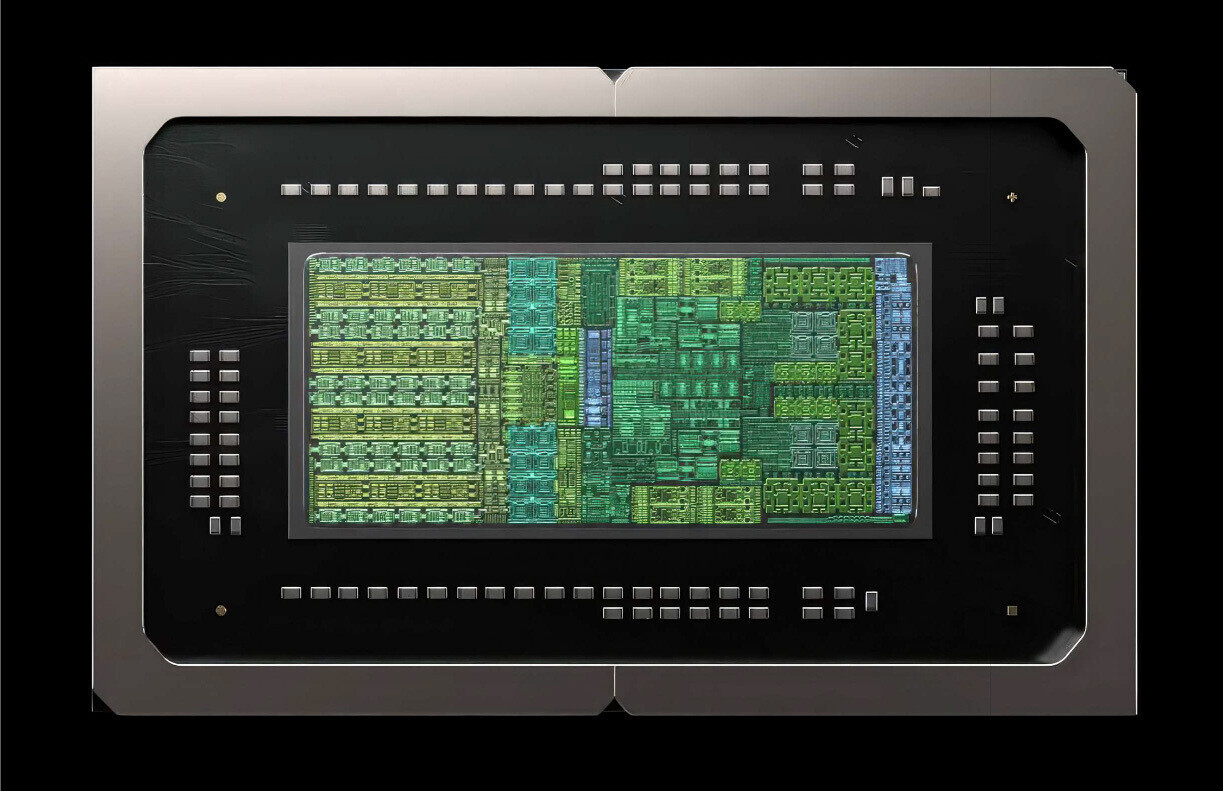
NVIDIA’s N1 Laptop Processor: Built on the Grace Blackwell GB10 Superchip
During a recent Q&A session with Intel and NVIDIA leadership, NVIDIA CEO Jensen Huang revealed that the upcoming N1 laptop processor is based on the current GB10 "Grace Blackwell" Superchip architecture. Huang stated, “We also have a new Arm product that's called N1. And that product is—that processor is going to go into the DGX Spark and many other versions of products like that. And so we're super excited about the Arm road map, and this doesn't affect any of that.” This confirmation positions the GB10 Superchip as the foundational blueprint for the N1, allowing industry observers to anticipate its performance tier based on existing GB10 specifications.
Technical Overview of the GB10 Superchip
At Hot Chips 2025, NVIDIA provided an in-depth look at the GB10 Superchip’s architecture. The chip integrates a MediaTek-sourced Arm CPU die with a Blackwell GPU die, utilizing a 2.5D packaging approach on TSMC’s advanced 3 nm process node. This combination is designed to deliver high efficiency and performance for next-generation computing platforms.
The CPU component features 20 Arm v9.2 cores, organized into two clusters of ten. Each cluster is supported by a 16 MB shared L3 cache, totaling 32 MB, while every core is equipped with its own private L2 cache. This configuration is engineered to optimize parallel processing and workload distribution, which is essential for both professional and consumer applications.
The memory subsystem employs a unified LPDDR5X-9400 fabric on a 256-bit bus, supporting up to 128 GB of memory and offering approximately 301 GB/s of raw bandwidth. This high-speed memory architecture is expected to significantly enhance data throughput and multitasking capabilities. However, it remains to be seen whether this full memory capacity will be available in consumer laptop variants.
High-speed I/O is centralized on the CPU die, with NVMe storage and peripherals connected via PCIe 5.0 lanes. The package is rated at around 140 W TDP, balancing performance with power efficiency. Display connectivity options include DisplayPort alt-mode and HDMI 2.1a, catering to multi-display setups. Additionally, the platform incorporates advanced security and virtualization features, making it suitable for demanding professional workloads.
Implications for Next-Generation Laptops
The adoption of the GB10 Superchip architecture for the N1 processor signals a significant step forward in laptop performance and efficiency. With its combination of cutting-edge Arm CPU technology, Blackwell GPU integration, and robust memory and I/O subsystems, the N1 is poised to deliver substantial improvements for both professional and consumer devices. As more details emerge, the industry will be watching closely to see how these advancements translate into real-world laptop experiences.