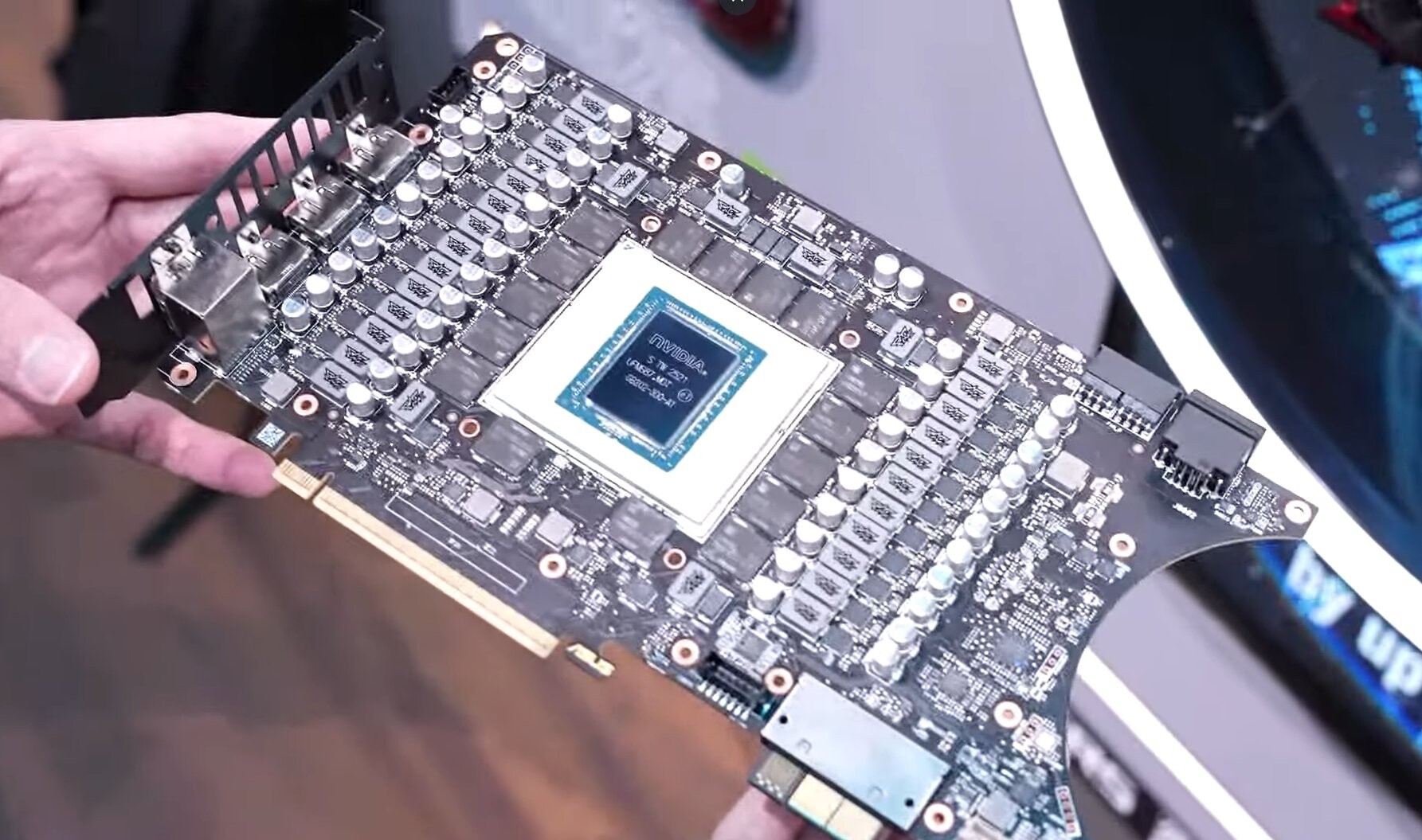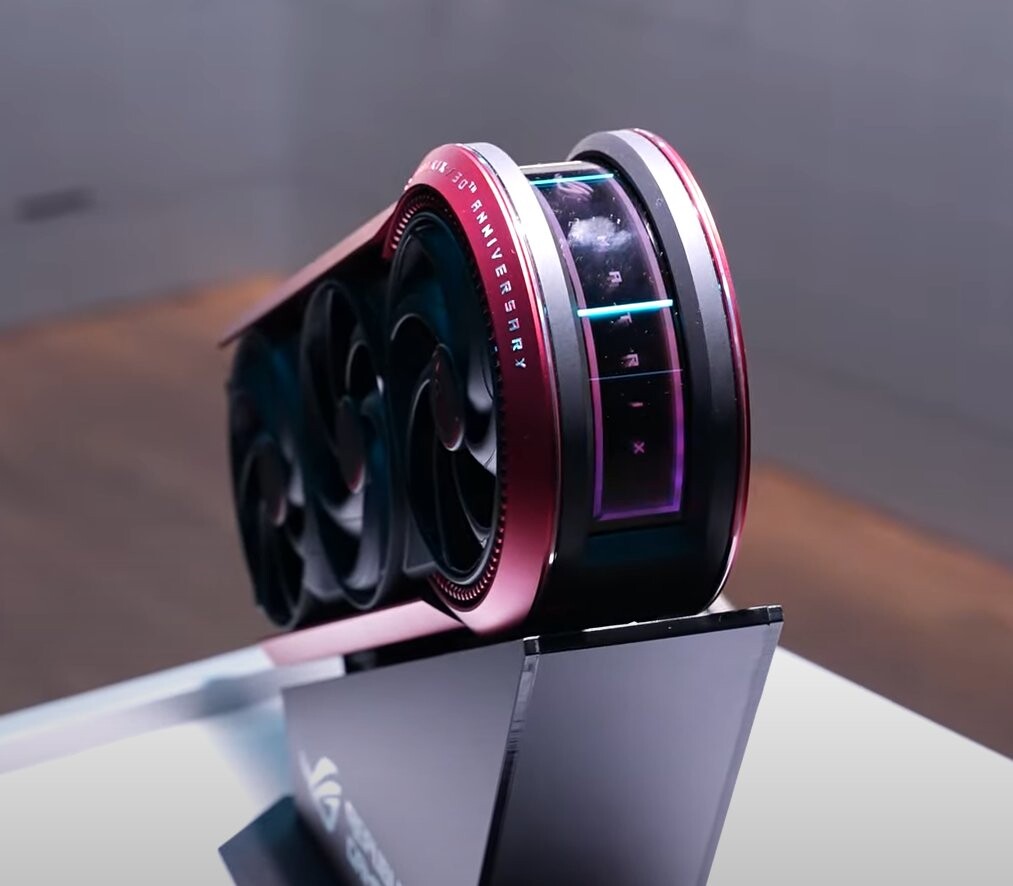
Check out these exclusive images of the ASUS ROG MATRIX GeForce RTX 5090 flagship graphics card disassembled, courtesy of der8auer. The card was officially unveiled earlier today at the Gamescom 2025 event hosted by the company. The ROG MATRIX utilizes an enhanced version of the ROG Astral RTX 5090 BTF PCB. While we have not yet disassembled the BTF ROG Astral, we have tested both the ROG Astral Liquid RTX 5090 and its air-cooled counterpart, which share a common PCB design. By comparing the ROG MATRIX RTX 5090 PCB (shown below) with the others, you can easily spot some noticeable differences.
Firstly, the ROG MATRIX seems to feature the same VRM setup as the ROG Astral, consisting of a 24+7 phase configuration. These phases are arranged in a similar manner to the ROG Astral. Although we cannot clearly identify the DrMOS chips, it is possible that ASUS is using higher current DrMOS chips compared to the 80 A ones found in the ROG Astral. This is an area where ASUS may have an advantage over the Astral with the MATRIX. Another visible distinction is the detachable BTF (GC-HPWR) gold-finger. This detachable feature allows compatibility with non-BTF motherboards by connecting the 12V-2x6 connector hidden under a small metal cover on the cooler shroud. Additionally, there are two 4-pin PWM case fan headers next to the 12V-2x6 connector, although they are covered, likely for factory purposes. The display I/O remains the same as the ROG Astral, missing an opportunity to include features like USB-C with DisplayPort passthrough, as seen on the RTX 5080 ProArt by ASUS. Moving on to the cooler.
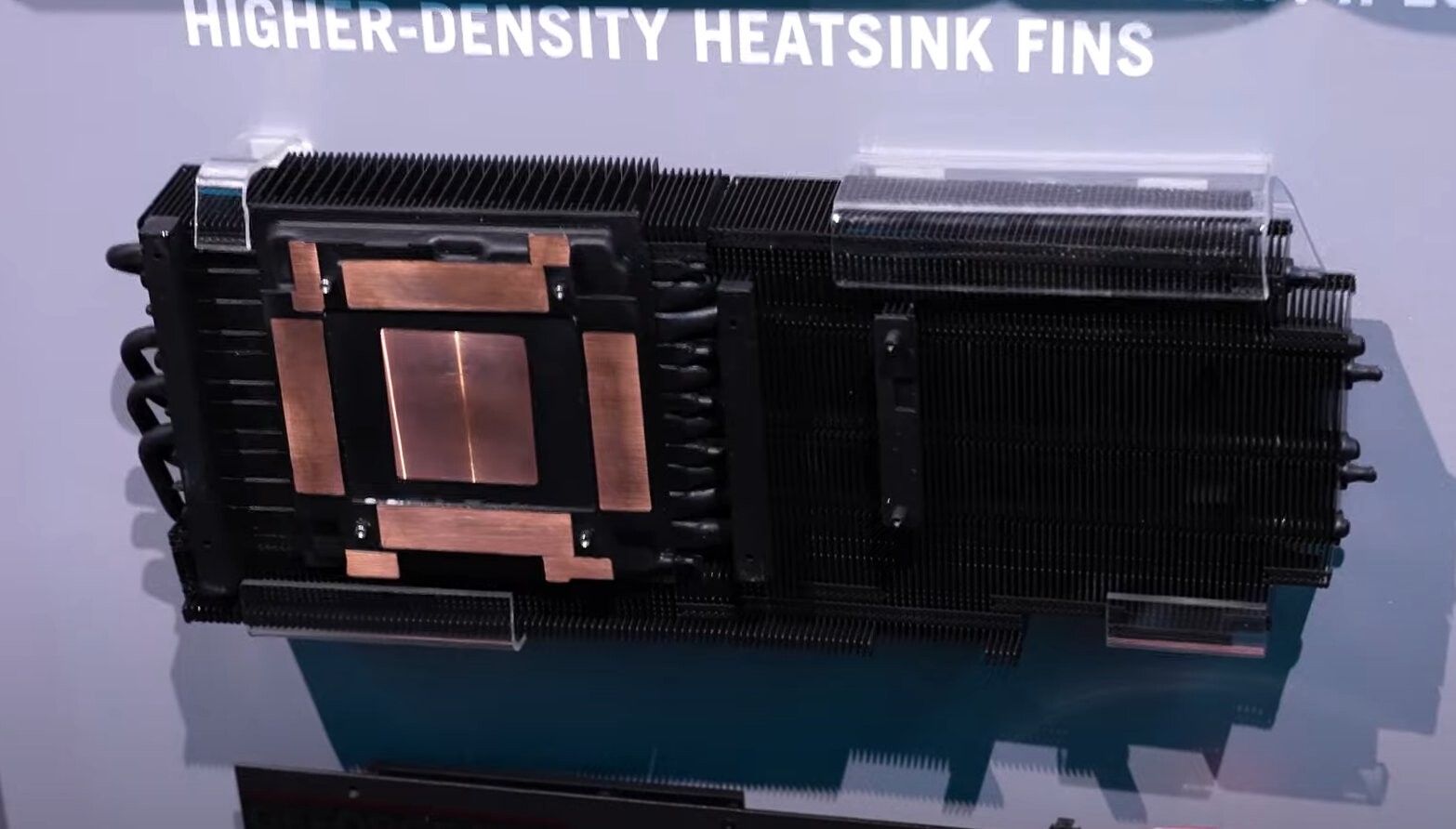
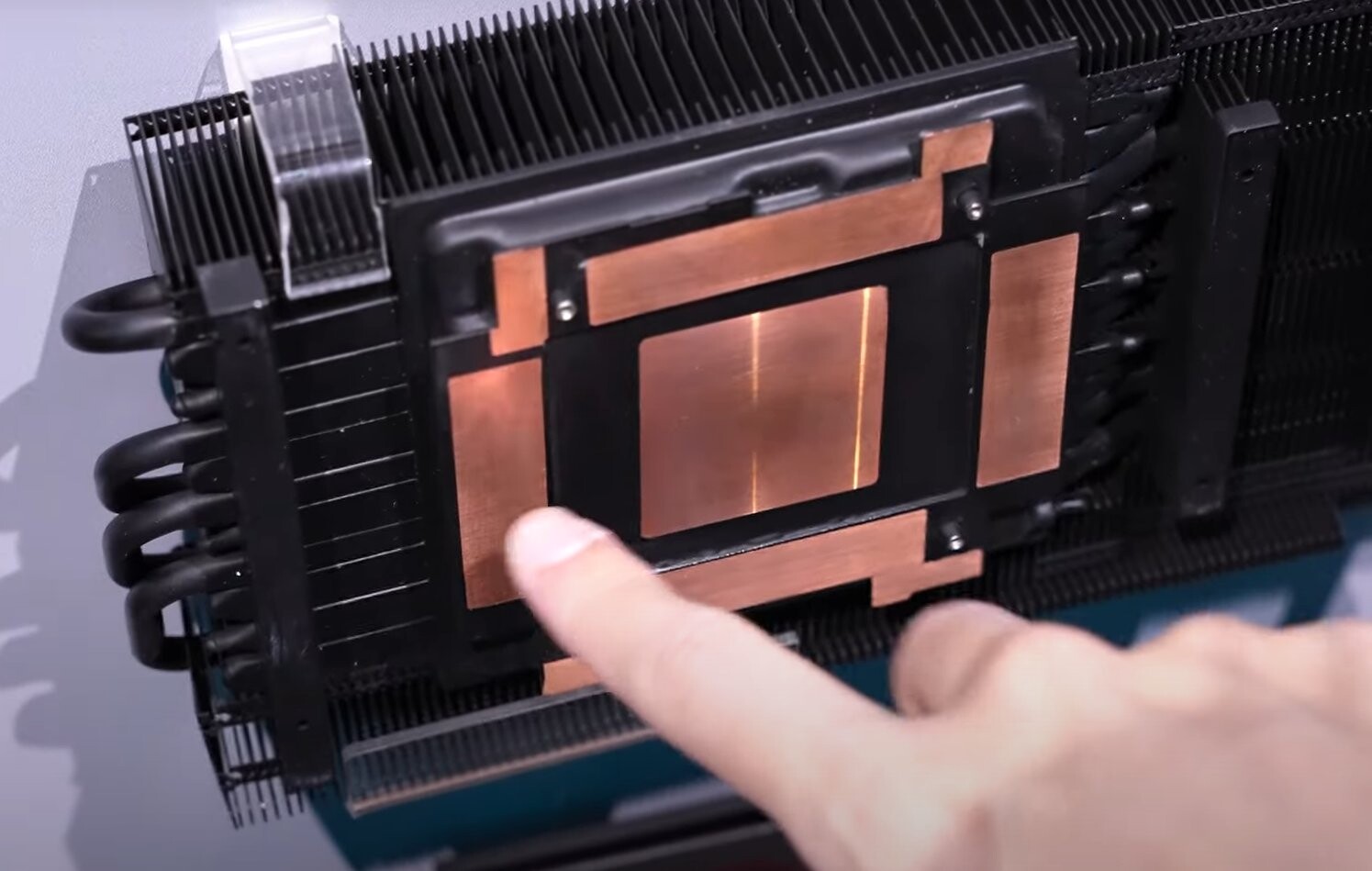
The cooler on the ROG MATRIX RTX 5090 follows a similar design concept to the air-cooled ROG Astral RTX 5090, with three fans pushing air onto the heatsink and a fourth fan pulling airflow out through the backplate. However, the ROG MATRIX cooler appears to be more robust, featuring additional heatpipes, a denser fin-stack, and a vapor-chamber baseplate with exposed copper contact surfaces instead of nickel-plated copper surfaces found on the ROG Astral. ASUS is likely using a higher-quality thermal interface material for this product. While the company has developed a method for shipping graphics cards and gaming notebooks with liquid metal TIM, the bare copper surfaces on the ROG MATRIX rule out the use of liquid metal in this case.