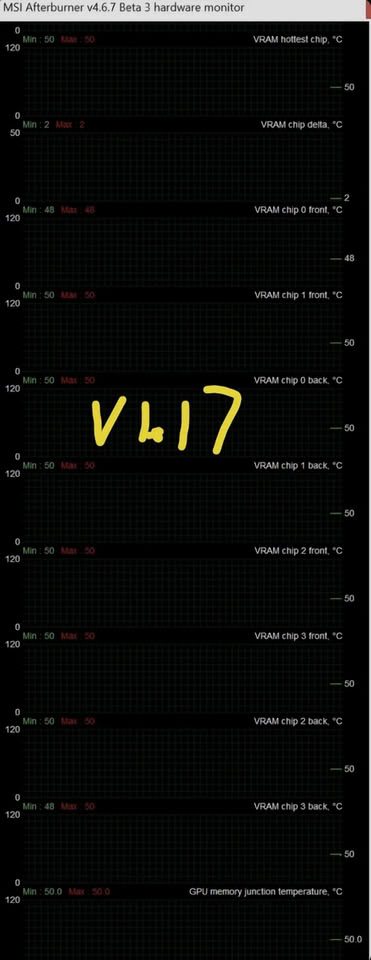
Unlocking Per-Module GDDR7 Temperature Monitoring on NVIDIA GeForce RTX 50 Series "Blackwell" GPUs
The NVIDIA GeForce RTX 50 series "Blackwell" graphics cards are seeing significant advancements in hardware monitoring, thanks to the collaborative efforts of the global modding community. For the first time, users can access individual GDDR7 memory module temperature readings, providing unprecedented insight into GPU thermal performance and reliability.
Community Collaboration Drives Innovation
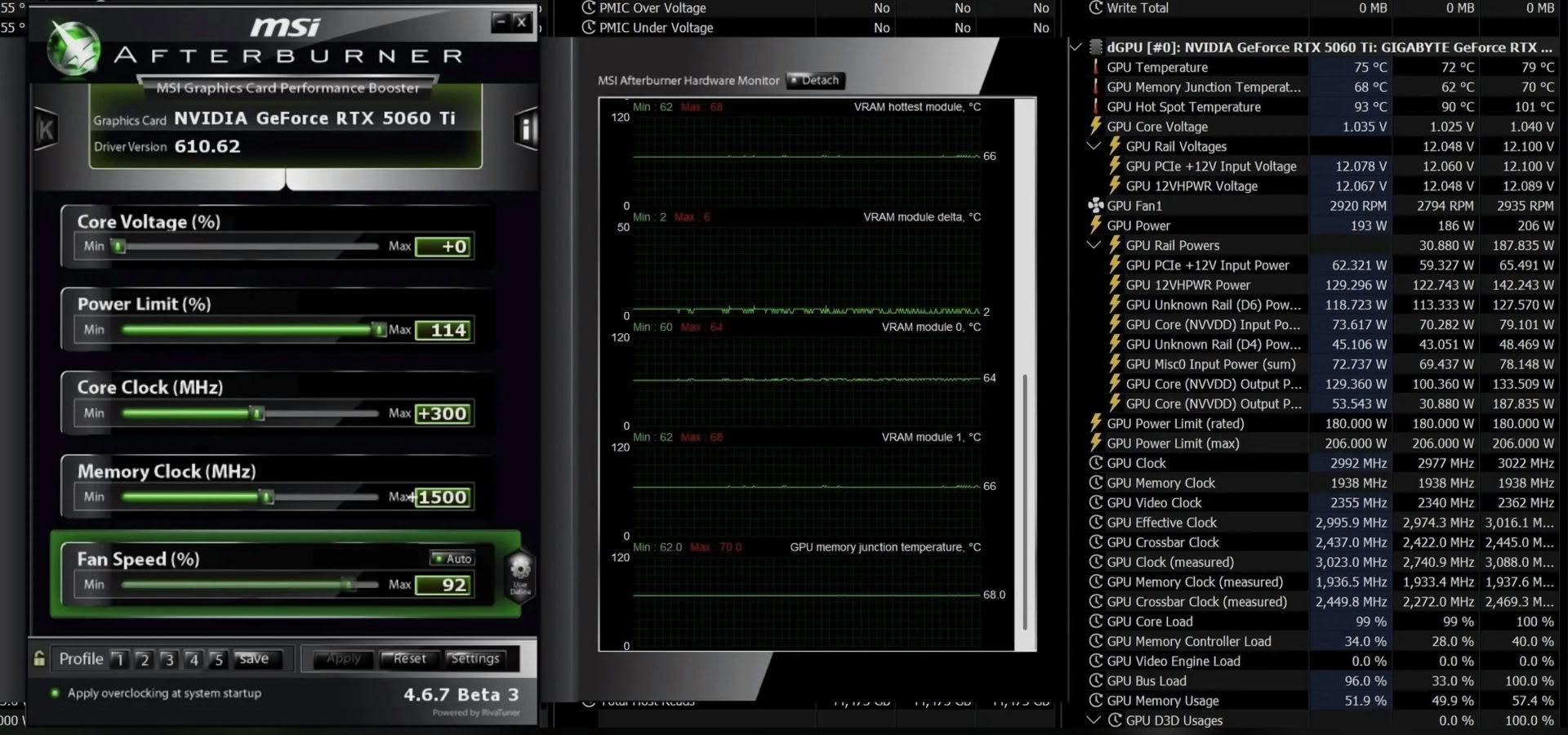
This breakthrough is the result of a diverse group of experts working together. Notable contributors include Brazilian GPU repair specialist Paulo Gomes, MSI Afterburner developer known as "Unwinder," Overclock.net member "asder00," HWiNFO creator Martin "Mumak" Malík, and Linux developer "olealgoritme." Their combined expertise led to the development of a new plugin for MSI Afterburner, enabling detailed per-module GDDR7 temperature monitoring.
Introducing the Hotspot.dll Plugin for GDDR7 Monitoring
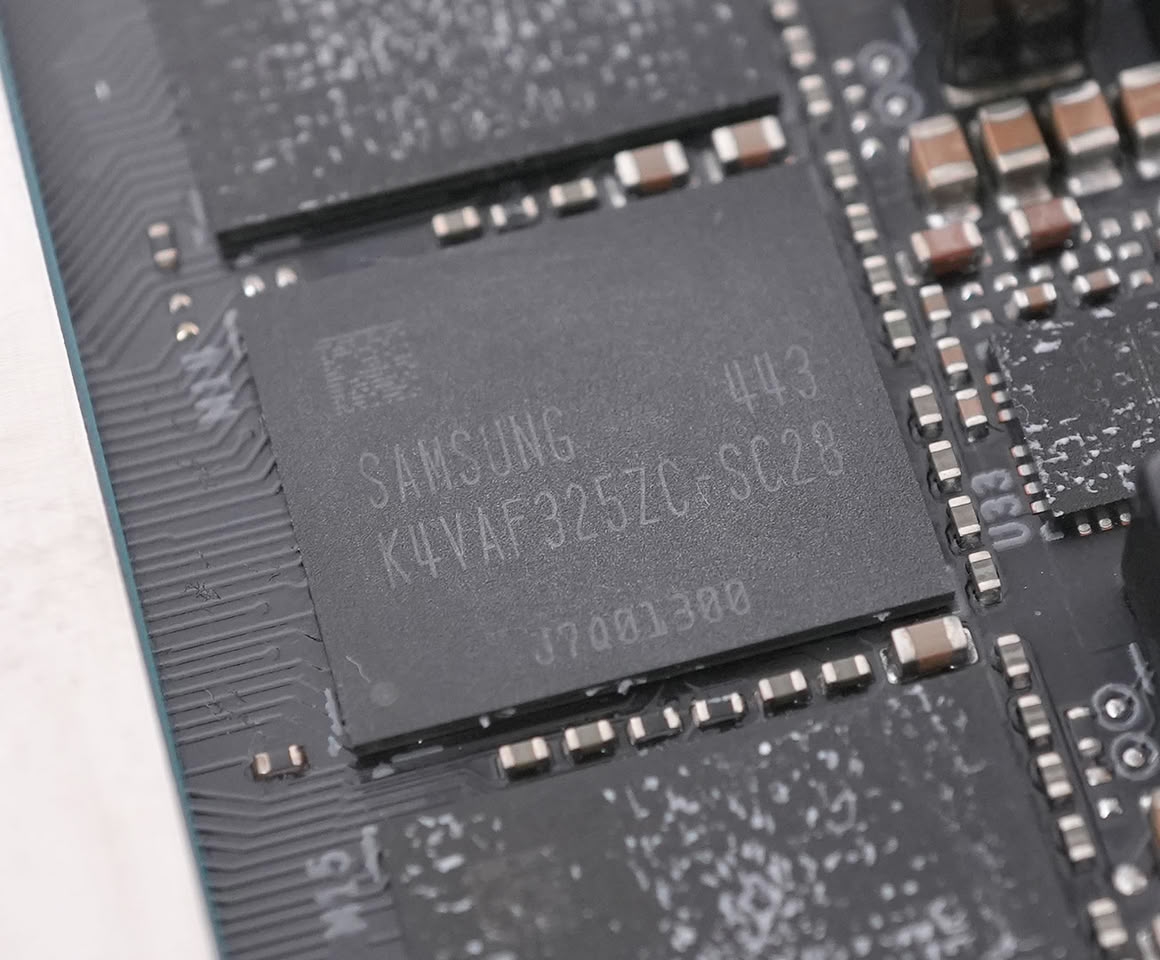
The updated Hotspot.dll plugin, originally designed to access hidden "Blackwell" GPU die sensors, now supports GDDR7 temperature readings. This enhancement unlocks the thermal sensors embedded within each GDDR7 memory IC, allowing users to monitor the temperature of every individual memory module.
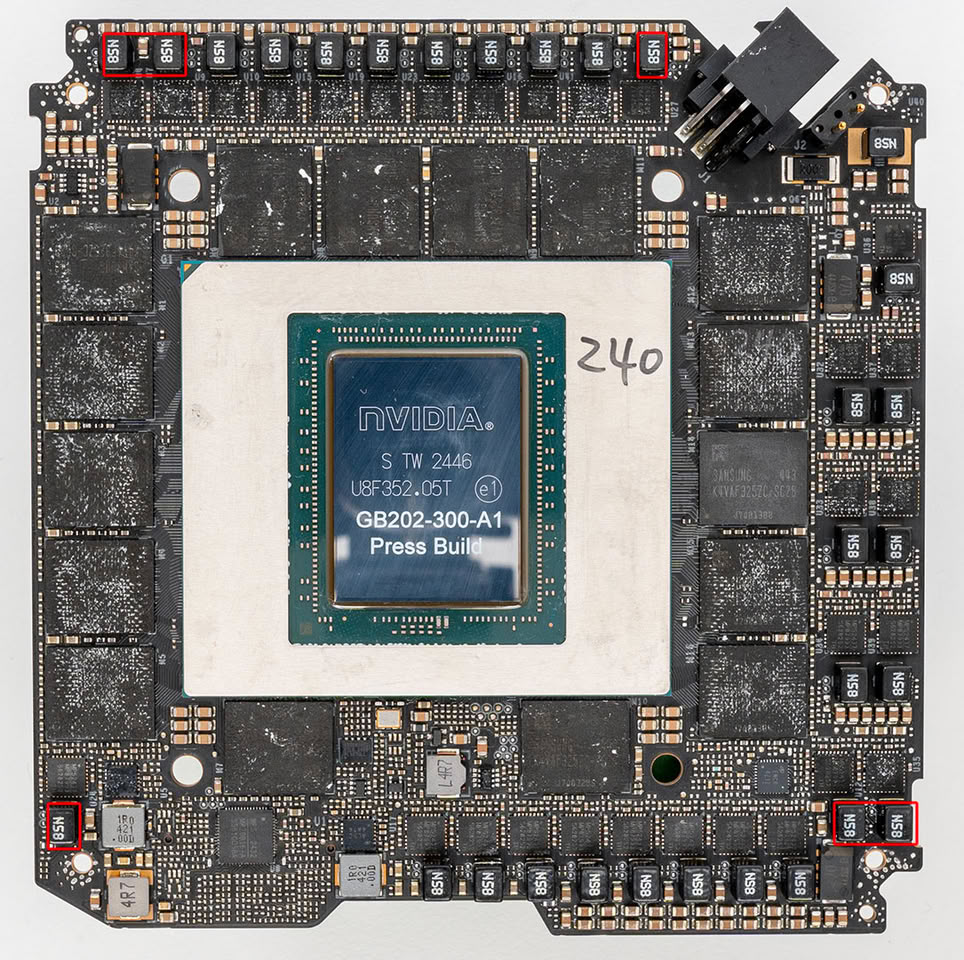
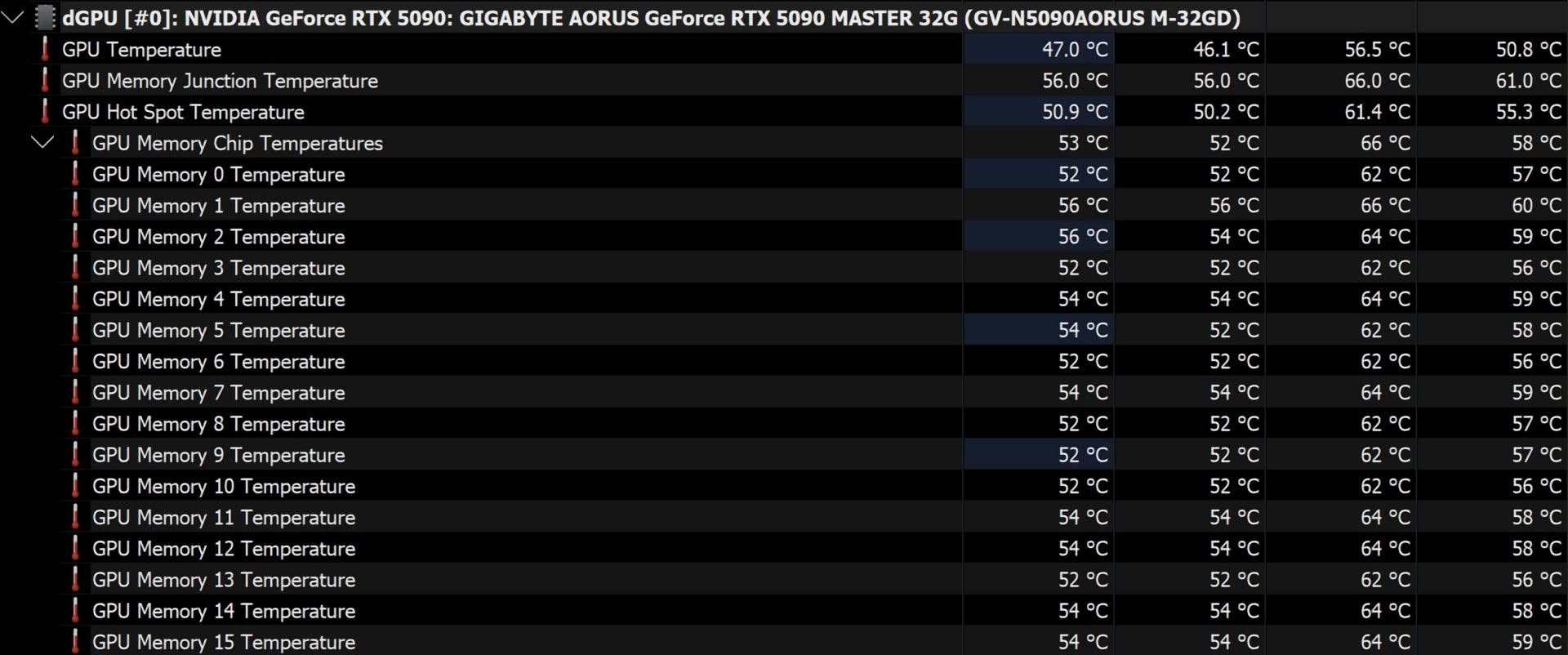
For example, the GeForce RTX 5090 features 16 GDDR7 memory modules, each with a 2 GB capacity. With the new plugin, users can view temperature data from all 16 modules in real time. Some "Blackwell" GPUs, such as the RTX PRO 6000, utilize a clamshell memory configuration, placing GDDR7 modules on both sides of the PCB. In these cases, the plugin can access up to 32 individual temperature sensors, offering even more granular monitoring.
Benefits of Per-Module Temperature Readings
Access to individual GDDR7 memory temperatures is a valuable tool for both enthusiasts and professionals. It enables precise troubleshooting, especially in scenarios where a memory module may not be adequately cooled. If a thermal pad is worn out or missing, the affected module can overheat, potentially leading to premature failure. Early detection of such issues helps maintain GPU performance and longevity.
With the addition of per-module GDDR7 temperature monitoring, alongside existing GPU die hotspot, hotspot delta, and memory junction readings, NVIDIA's "Blackwell" architecture now offers comprehensive thermal measurement capabilities. This advancement marks a significant step forward in GPU diagnostics and reliability for the next generation of graphics cards.