ASUS Showcases Innovative Cable-Free GPU Power Delivery Concept
ASUS has introduced a groundbreaking prototype that reimagines how graphics cards receive power from the motherboard. This new approach aims to eliminate the need for traditional power cables on many entry-level and mid-range GPUs, offering a cleaner and more streamlined PC build experience.
Enhanced PCIe Power Path for Graphics Cards
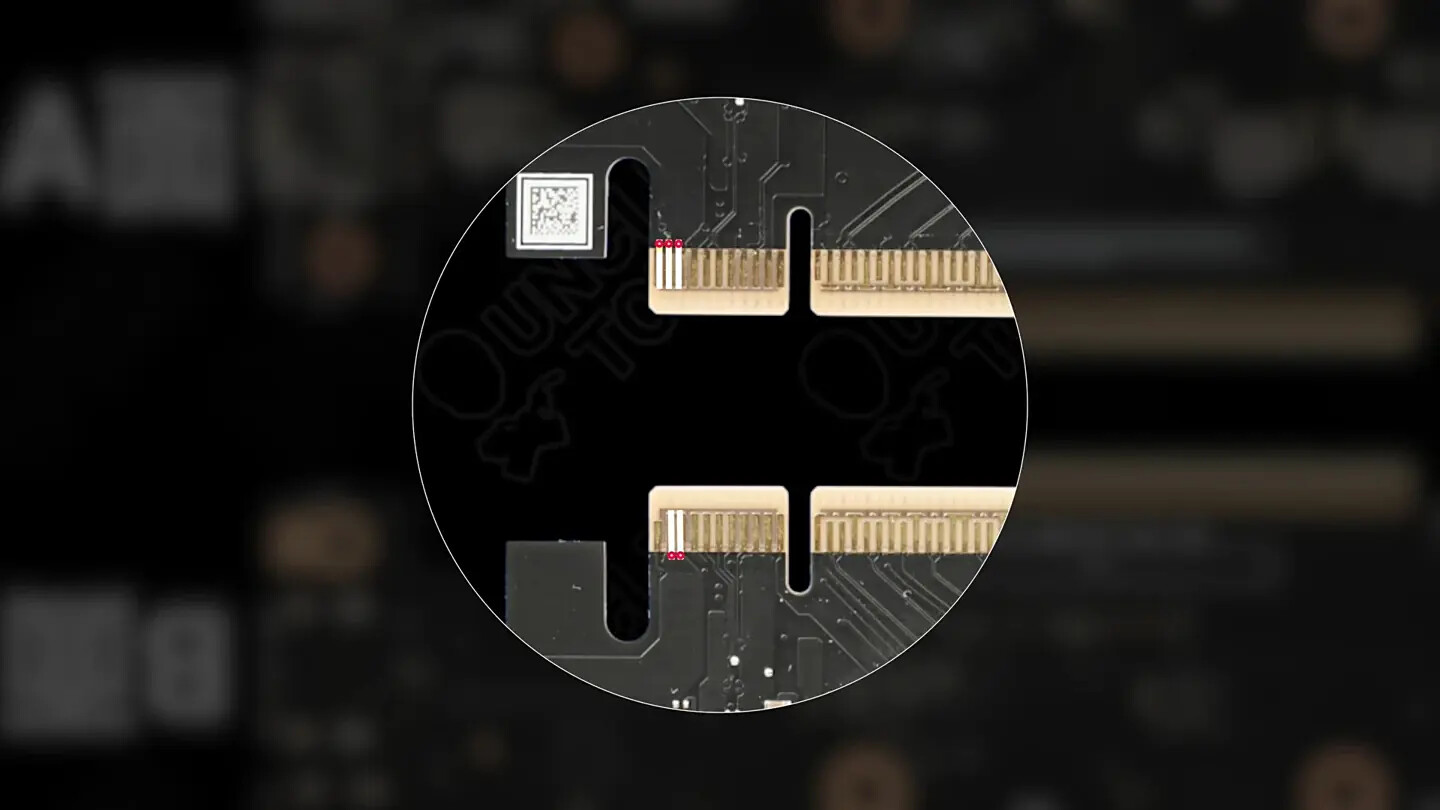
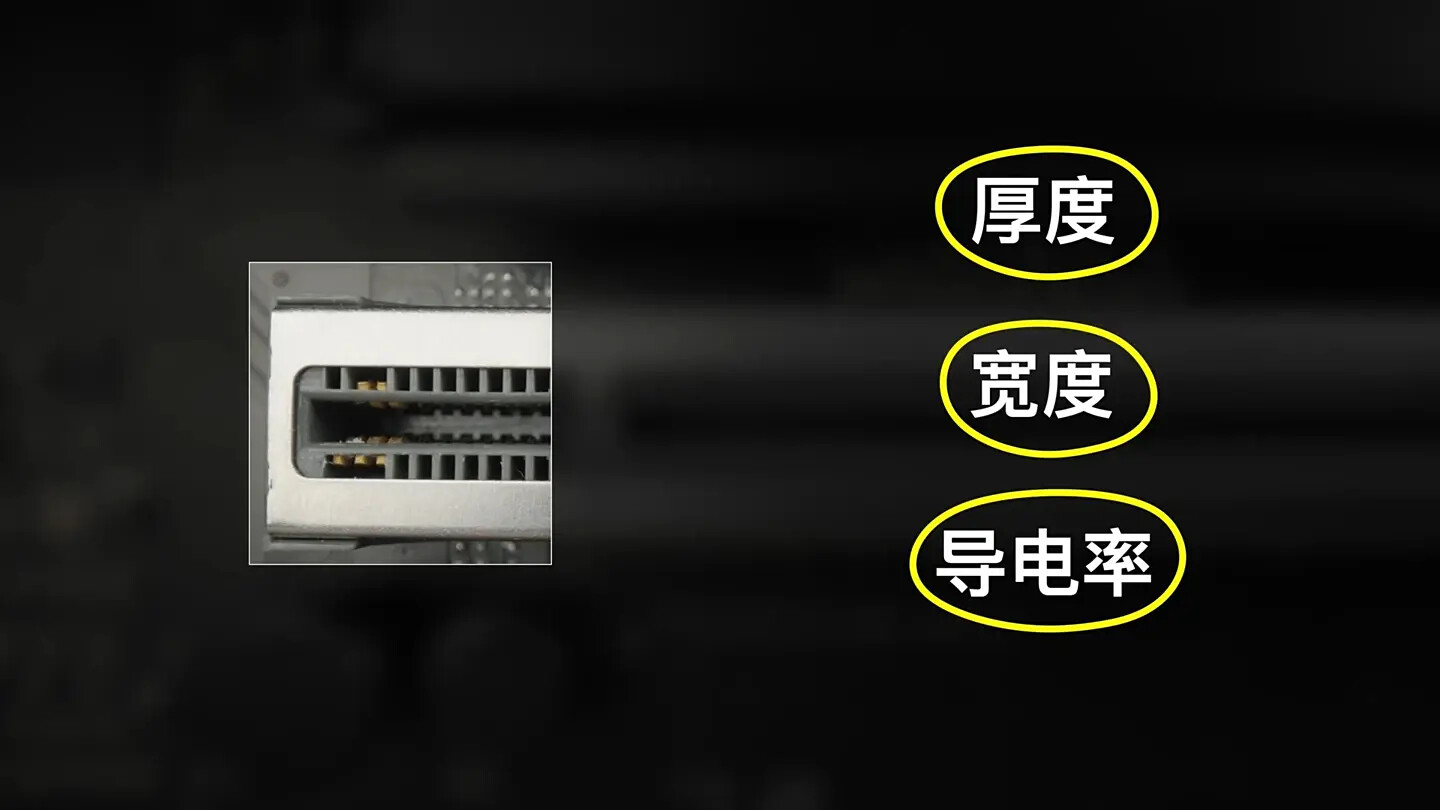
The core of ASUS’s concept lies in significantly upgrading the PCIe slot’s power delivery capabilities. Engineers have widened and thickened the contact pads at the front edge of the graphics card’s PCIe interface. Additionally, the copper area inside the corresponding motherboard slot has been enlarged, and several 12-volt lanes have been combined into larger, lower-resistance conductors. These enhancements are designed to increase the slot’s current-carrying capacity without altering the external form factor of the graphics card.
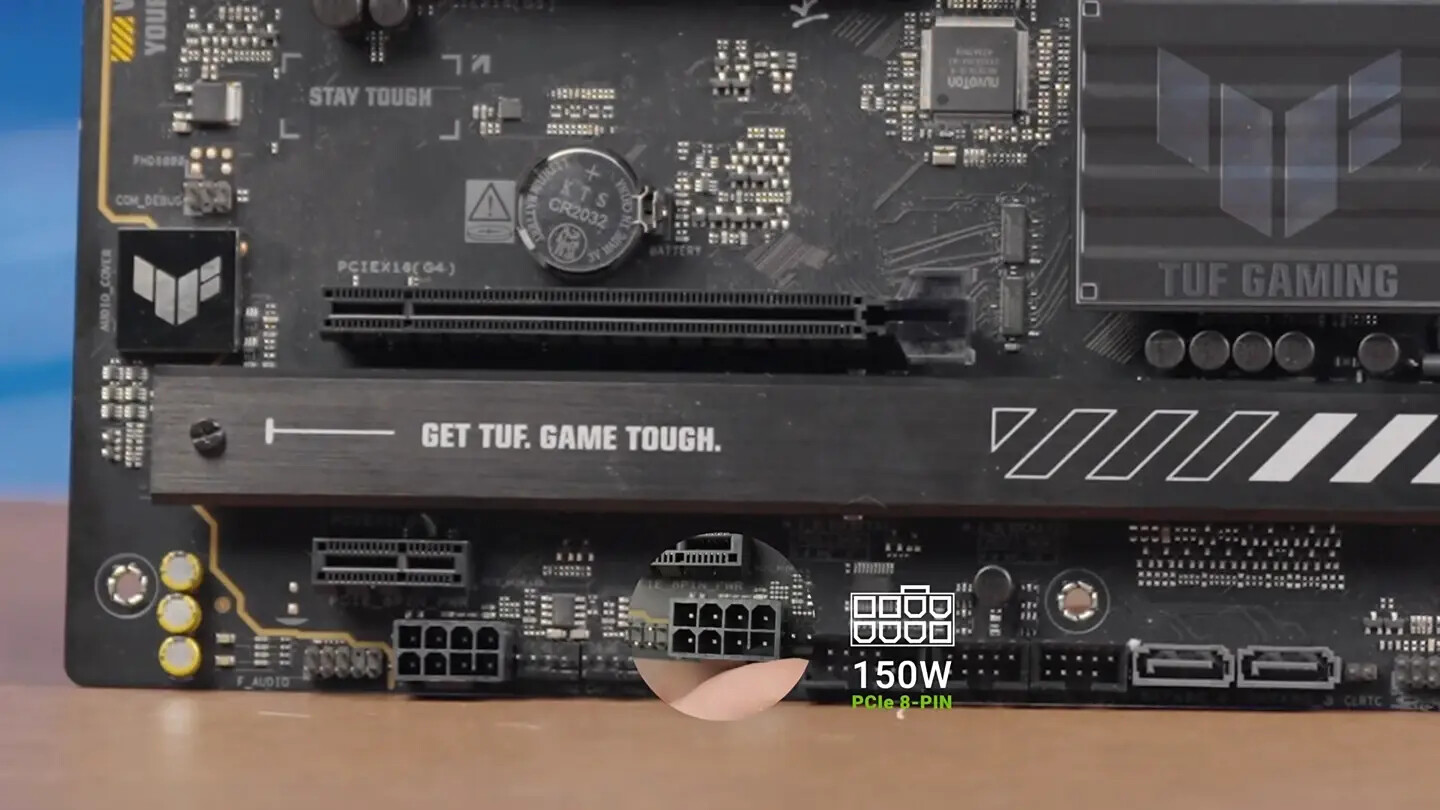
To further distribute the power load, ASUS has relocated the traditional 8-pin power connector from the graphics card to the motherboard itself. This allows the reinforced PCIe slot and the onboard connector to work in tandem, delivering more power efficiently. The use of higher-conductivity materials and a larger terminal cross-section further boosts the system’s ability to handle continuous current.
Potential Impact on Mid-Range GPUs
This innovative design could be particularly well-suited for graphics cards in the 180-220 watt range, such as future RTX 5060 Ti-class GPUs or similar AMD models. For users in this segment, a cable-free graphics card could simplify installation and improve case aesthetics.
However, ASUS has not yet released detailed schematics, continuous current ratings, thermal validation, or long-term endurance data for this prototype. The company’s headline claim of supporting up to 250 watts raises questions, as the typical combination of a PCIe slot and a motherboard auxiliary connector usually provides up to 225 watts—75 watts from the slot and 150 watts from the 8-pin connector.
ASUS’s Track Record in Power Delivery Innovation
ASUS has a history of exploring alternative power delivery solutions for graphics cards. The company previously introduced the Graphics Card High-Power (GC-HPWR) connector, a high-capacity design that competes with NVIDIA’s 12V-2x6V connector. This latest prototype continues ASUS’s commitment to pushing the boundaries of GPU power delivery, potentially setting new standards for future PC hardware.